

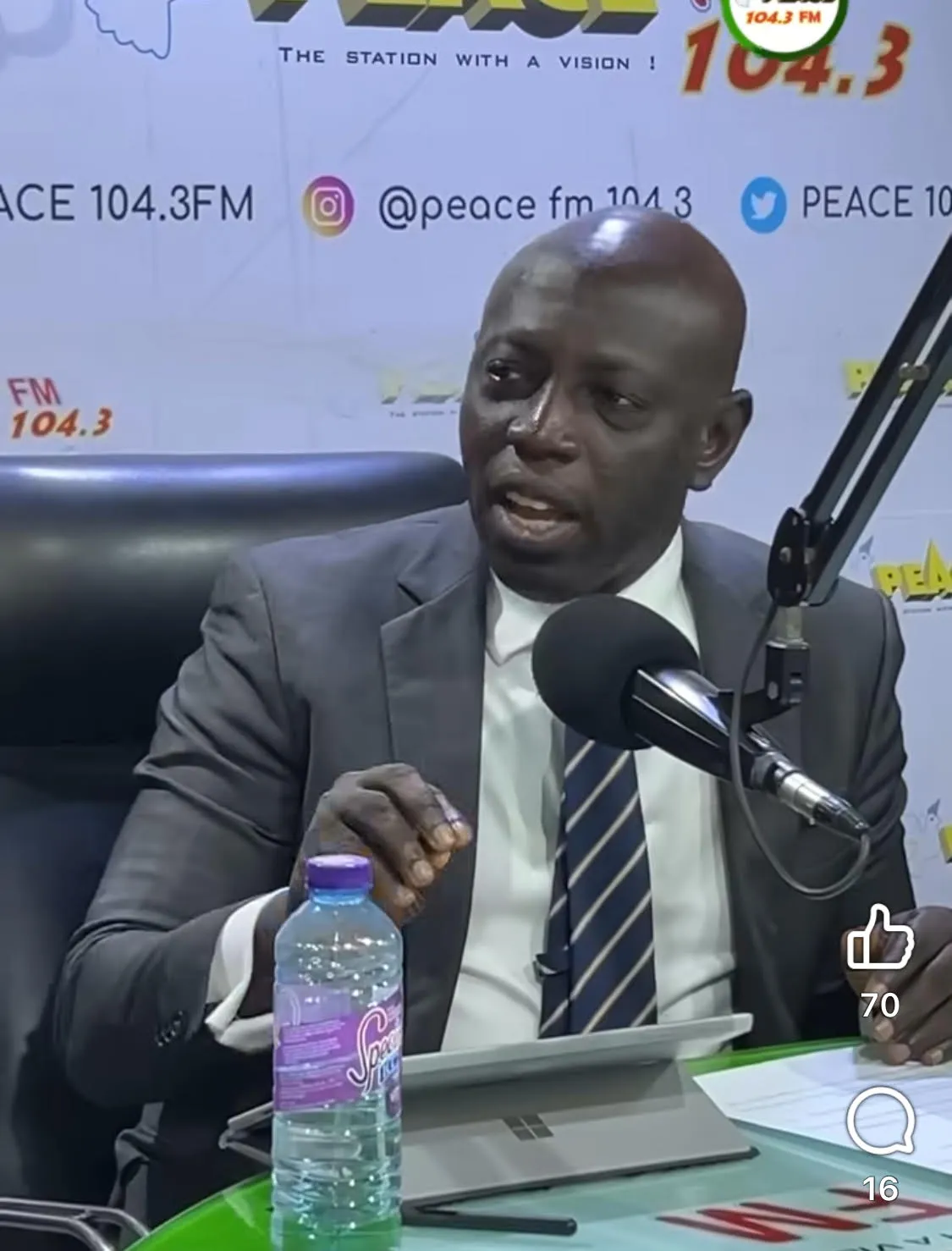
The Executive Director of the Institute for Economic Research and Public Policy (IERPP) and Dean of the Faculty of Accounting and Finance at the University of Professional Studies, Accra (UPSA), Professor Isaac Boadi, has raised concerns over the effects of the cedi’s rapid appreciation on remittance inflows into Ghana.
Speaking in an interview with Newseyegh, Prof. Boadi explained that when the Ghanaian cedi appreciates too quickly against major foreign currencies, it reduces the incentive for Ghanaians living abroad to send money back home. According to him, this is because the stronger cedi reduces the value of remittances when converted from foreign currencies, making it less attractive for diaspora communities to transfer funds to friends and family in Ghana.
His remarks follow recent comments by the Governor of the Bank of Ghana, Dr. Johnson Asiamah, who also noted a slowdown in remittance inflows due to the cedi’s continued appreciation. Dr. Asiamah suggested that the central bank may need to step in to manage the currency’s strength and its unintended economic consequences.
Prof. Boadi cited data showing a sharp decline in remittances between December 2024 and September 2025, estimating a drop of about 74%. He attributed this significant decline partly to the Bank of Ghana’s heavy injection of US dollars into the foreign exchange market, which, while intended to stabilize the cedi, has made sending money home less financially beneficial for many in the diaspora.
“This trend, if not addressed, could have long-term implications for household incomes, especially for families that rely heavily on remittances for education, healthcare, and daily expenses,” Prof. Boadi warned.
To tackle the issue, he proposed the adoption of a “remittance link market signal” — a targeted policy tool designed to help maintain remittance flows during periods of currency appreciation. According to him, such a mechanism would provide better guidance to financial market actors while protecting a vital source of foreign exchange and economic support for many Ghanaian households.
Story by George Osei
