

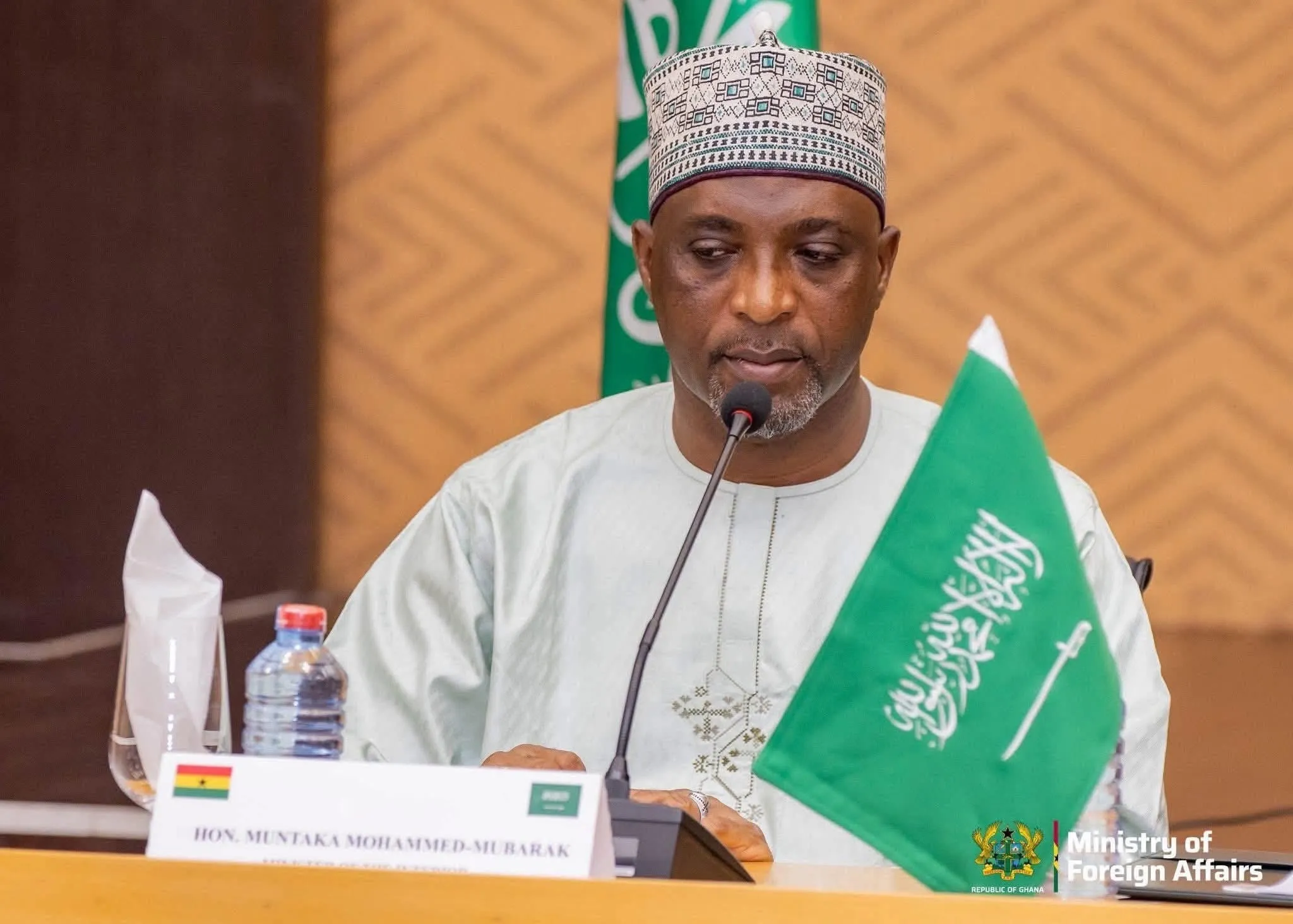
The Minister for the Interior, Hon. Mubarak Muntaka, has expressed deep concern over what he described as a disturbing rise in violent crime across the country. Addressing journalists in Accra, the minister revealed that Ghana recorded 1,219 robbery cases and 552 murder cases in 2024, figures he said highlight the growing threat of criminal activity and the urgent need for decisive action.
Providing a more recent snapshot of the situation, Hon. Muntaka disclosed that in July 2025 alone, the country registered 628 robbery incidents and 340 murder cases. According to him, these mid-year statistics point to a worsening security environment and underscore the need for strategic interventions. “The numbers are alarming and should serve as a wake-up call for all of us,” he stated, emphasising that the government is determined to reverse the troubling trend.
The minister was speaking at a media briefing to announce a nationwide gun amnesty programme, part of broader efforts to reduce the circulation of illicit small arms and light weapons. He warned that illegal firearms have infiltrated nearly every facet of society—homes, workplaces, markets, and even schools—creating an environment where violence can erupt at the slightest provocation. He stressed that the country cannot continue to lose lives while illegal guns remain widespread and unchecked.
Hon. Muntaka explained that the amnesty initiative will provide a non-punitive window for individuals in possession of unregistered or illegally acquired firearms to surrender them peacefully. The programme, scheduled to run from December 1, 2025, to January 15, 2026, will allow citizens to hand over such weapons at designated police stations or security offices without fear of arrest or prosecution. He described the move as a critical step toward reducing armed violence and strengthening national security.
The minister also called for strong cooperation between communities and security agencies, stressing that effective collaboration is essential for the success of the initiative. In particular, he appealed to traditional authorities to support the programme by mobilising their communities, offering guidance, and helping to foster trust between citizens and law enforcement.
He reiterated government’s commitment to safeguarding the lives and property of all Ghanaians, noting that the fight against violent crime requires collective responsibility. Hon. Muntaka concluded by urging the public to take advantage of the amnesty period and contribute to building a safer, more secure Ghana.

