

The Minority in Parliament has sharply criticized the government over its plan to allocate GH₵401 million for the establishment of the much-publicized Women’s Bank, describing the move as deceptive and lacking clarity. According to the Minority, the allocation raises significant concerns about how much of the stated amount will actually be made available to women in the form of loans, which is the core purpose of the proposed financial institution.
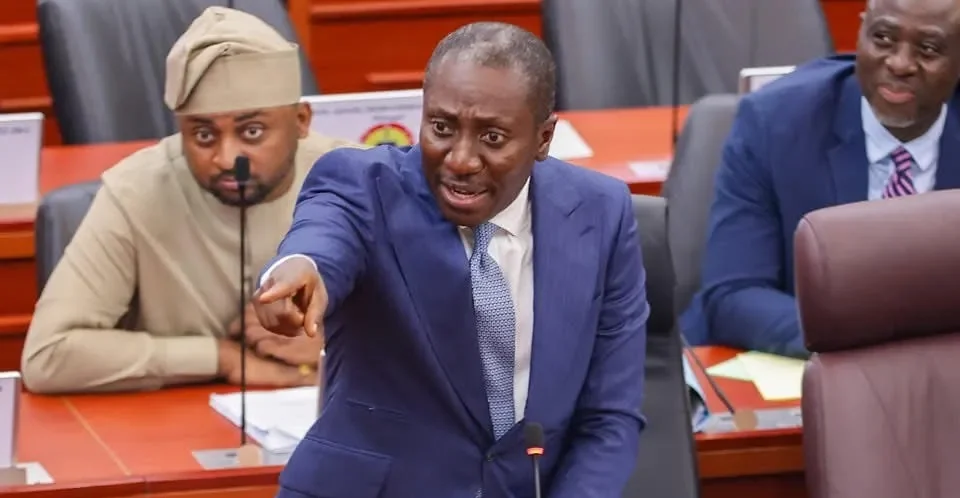
Addressing the issue on the floor of Parliament, Minority Leader Hon. Alexander Afenyo-Markin stated that the government had failed to demonstrate transparency in its budget presentation, particularly regarding the operational structure of the bank. He argued that although a substantial amount has been earmarked for establishing the institution, the budget makes no mention of additional funds that would serve as the actual loanable capital for women entrepreneurs across the country.
Hon. Afenyo-Markin described this omission as a “sign of desperation and deception,” stressing that the mere establishment of a bank without making provisions for loan disbursement defeats the purpose for which the bank is being proposed. “If the government claims it is setting up a Women’s Bank to empower women economically, then where is the money that will be given to these women as loans?” he asked. “The budget provides no such clarity, and this raises doubts about the government’s sincerity.”
He further argued that the government has not been truthful with Ghanaians regarding the true intent and functionality of the proposed bank. In his view, the allocation appears to be more of a political announcement than a genuine effort to support women’s economic participation.
The Minority Leader emphasized that the lack of transparency in the GH₵401 million allocation mirrors broader issues within the 2026 national budget, which he said offers no real hope or tangible solutions to the economic hardships facing citizens. Given these concerns, he called for the rejection of the 2026 budget in its entirety, insisting that Parliament must demand greater accountability, detailed plans, and credible commitments from the government.
