

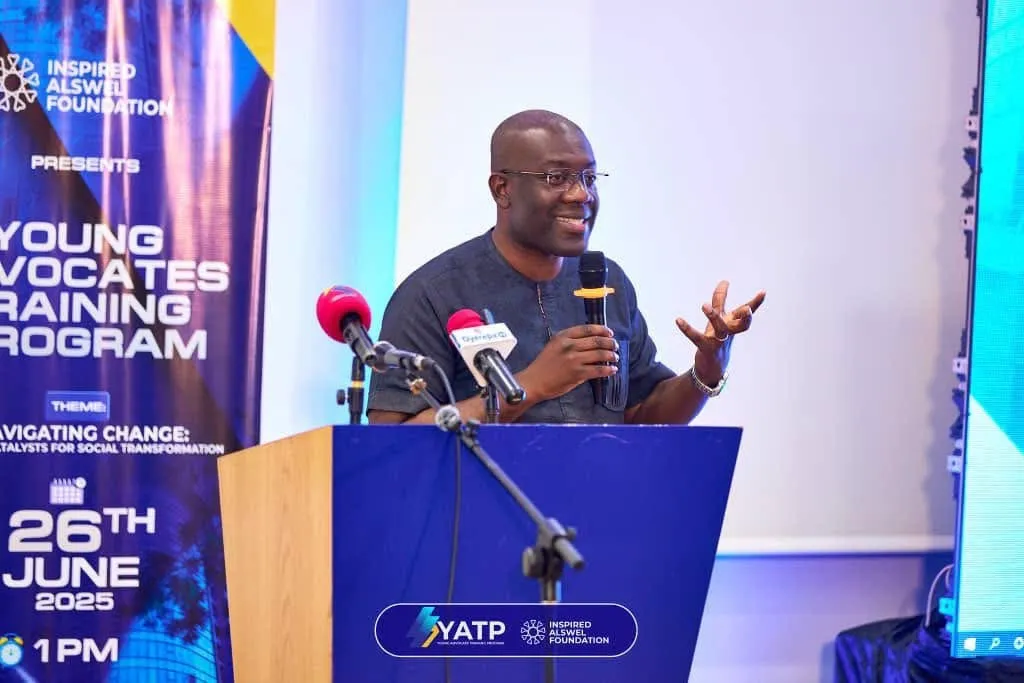
The Member of Parliament for Ofoase/Ayirebi and Ranking Member on Parliament’s Economy and Development Committee, Hon. Kojo Oppong Nkrumah, has expressed strong reservations about two new legislative proposals from the Ministry of Communications, Digital Technology, and Innovation.
Speaking in an interview with newseyegh.com, Hon. Oppong Nkrumah disclosed that the ministry has presented two draft bills—the Cybersecurity (Amendment) Act and the Misinformation and Disinformation Act which are expected to be laid before Parliament for consideration soon.
According to him, while the government may argue that these laws are intended to strengthen digital security and curb the spread of false information, their potential implications for freedom of expression and democratic discourse are deeply concerning.
Hon. Oppong Nkrumah explained that the Misinformation and Disinformation Act, in particular, grants significant power to the government to determine what constitutes “harsh” or “improper” comments made online or through other digital platforms. He noted that under the proposed legislation, individuals found guilty of making such statements could face up to ten years in prison.
He emphasized that this provision could easily be abused, as the definitions of “harsh” or “improper” remain subjective and open to political interpretation. “If care is not taken,” he warned, “this law could be used to silence dissent, intimidate critics, and restrict the public’s right to freely express their opinions.”
The Ofoase/Ayirebi legislator further referenced comments made by former President John Mahama, who had earlier indicated that individuals posting offensive or misleading content on social media platforms, particularly TikTok, would be subject to arrest under such laws. Hon. Oppong Nkrumah argued that this approach, if implemented, would undermine Ghana’s reputation as one of Africa’s most open and democratic societies.
He called for a national conversation on the balance between digital responsibility and freedom of speech, urging civil society organizations, media practitioners, and legal experts to engage government on the possible ramifications of the bills.
“Every democratic society must protect its citizens from misinformation,” he noted, “but this must not come at the expense of citizens’ constitutional right to free expression.”
Hon. Oppong Nkrumah ended by cautioning that if the proposed laws are passed without proper scrutiny, they could pose a serious threat to Ghana’s democracy and freedom of the press.
